
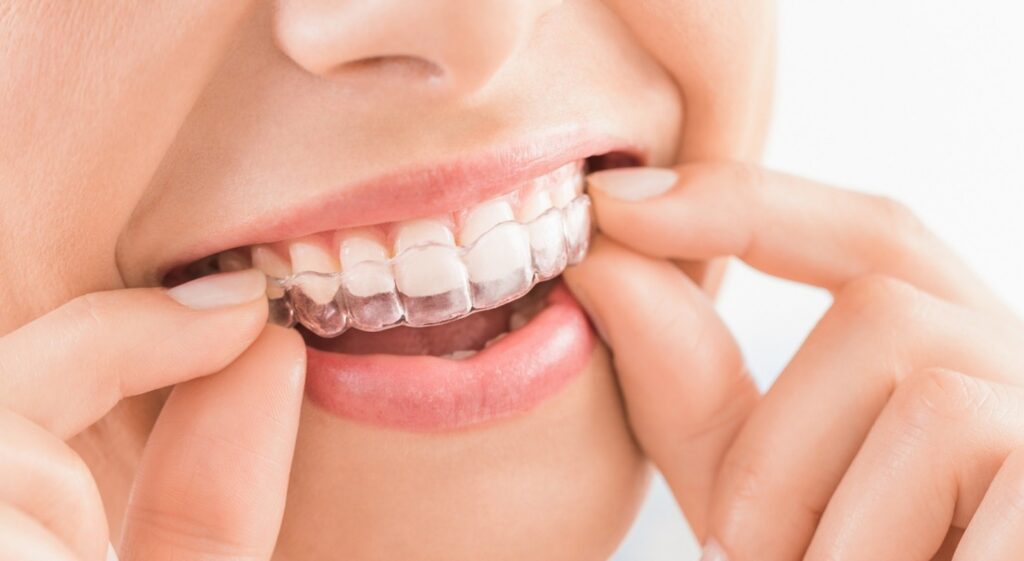
When Invisalign first showed up years ago, people mostly talked about it as the “invisible braces” option for adults. Back then, it had a pretty specific reputation. Mild cases. Small gaps. Minor crowding. Nothing too complicated.
That is not really the case anymore.
Over time, the system became much more advanced. The trays fit better. The planning software has improved. Orthodontists gained more control over tooth movement. Today, many patients who once would have needed braces alone may now qualify for aligner treatment instead.
At Starting Point Pediatric Dentistry and Orthodontics, we have seen that shift happen firsthand. Patients asking about Invisalign in Leawood today are often looking at a very different system than the one people remember from 15 or 20 years ago.
What Was Invisalign Originally Designed For?
Early Invisalign treatment focused mostly on cosmetic alignment.
Patients with mild spacing issues or slightly crooked teeth were usually considered the best candidates. More complicated bite problems still relied heavily on traditional braces because aligners simply could not create certain movements very predictably at the time.
The trays also looked different back then. Older aligners sometimes felt thicker and less refined compared to current versions.
Still, the idea caught attention quickly because people liked having a less noticeable orthodontic option.
Adults, especially, became interested in Invisalign in Leawood because they wanted straighter teeth without metal brackets showing during work or social situations.
How Has the Technology Improved?
Probably the biggest changes happened behind the scenes.
Years ago, many orthodontic offices still relied on physical impressions using molds. Patients had to bite into trays filled with impression material while the molds set.
Most people did not love that experience.
Now, digital scanning has changed much of the process. Modern scans create detailed 3D images of the teeth without traditional impressions in many cases.
That improvement helped make treatment planning more accurate, too.
Patients exploring clear aligners in Leawood today often move through a smoother process from the very beginning compared to what aligner treatment used to involve.
Have the Trays Themselves Changed?
Definitely. Older trays sometimes felt bulky or rough around the edges. Newer aligners are generally thinner, smoother, and more customized to the patient’s bite.
That may sound minor, but comfort matters during orthodontic treatment.
Patients wear aligners most of the day, so small improvements in fit can make the process easier to stick with long-term.
Many patients researching clear aligners now are surprised by how natural the trays feel after the first adjustment period passes.
Can Invisalign Handle More Complicated Cases Now?
Yes. That is one of the biggest differences compared to earlier years.
As the technology improved, Invisalign became capable of treating more than simple cosmetic concerns. Many moderate orthodontic issues that once required braces can now sometimes be corrected with aligners instead.
That may include:
- Crowding
- Bite issues
- Spacing concerns
- Certain overbites
- Some crossbites
- Tooth rotations
Not every patient qualifies for aligners, of course. Some situations still respond better to braces. But Invisalign treatment has become much more versatile than it used to be.
That flexibility is one reason more families ask about Invisalign in Leawood during orthodontic consultations today.
Has Invisalign Become More Popular With Teenagers?
Absolutely. Originally, Invisalign was marketed heavily toward adults. Teenagers still mostly wore braces at that time.
Now, teen aligner treatment is much more common.
Part of that comes from improvements in the system itself. Another part comes from changing preferences. Many teenagers like having an orthodontic option that feels less obvious socially.
Patients considering Invisalign in Leawood often mention school, sports, or photos when discussing treatment preferences during consultations.
Still, aligners require responsibility. They only work properly when patients wear them consistently.
Are Braces Still Sometimes Better?
Yes. Despite how much aligners improved over the years, braces still play an important role in orthodontics. Certain tooth movements remain easier with fixed appliances, especially in more complicated cases.
Some patients continue benefiting more from:
The right treatment really depends on the patient, not just what happens to be popular online.
What About Other Orthodontic Options?
Not every patient wants removable trays. Some people prefer fixed braces because they stay attached full time. Others simply do not want the responsibility of remembering aligners every day.
We also discuss systems like Clarity by 3M in Leawood for patients who want a less noticeable braces option while still using fixed brackets.
There is no universal solution that works best for everyone.
Next Steps
Invisalign today looks very different from the early versions many people remember years ago. Advances in digital scanning, aligner materials, and treatment planning expanded what aligners can accomplish for both teens and adults.
At Starting Point Pediatric Dentistry and Orthodontics, we strive to be the preferred kids’ dentist in Kansas City, with convenient locations and thoughtful, knowledgeable staff. We’ve got the experience and care your kids need to have a quality exam. Have questions or concerns? Let us know and we’ll get you the answers you need!
Ready to get started? Reach out to us online at Starting Point Pediatric Dentistry & Orthodontics for your kiddo! Or when you’re ready, give us a ring at the closest location:
Kansas City: (913) 948-8688
Overland Park: (913) 553-2492
Leawood: (913) 491-5044
Let’s face it, kids aren’t always thrilled about going to the dentist. That’s why we do everything we can to make it a good experience for both of you. No scary stuff. No rushed appointments. Just kind people, calm vibes, and care that actually makes sense.

We’ll help your kid feel comfortable and make your life a little easier.

