
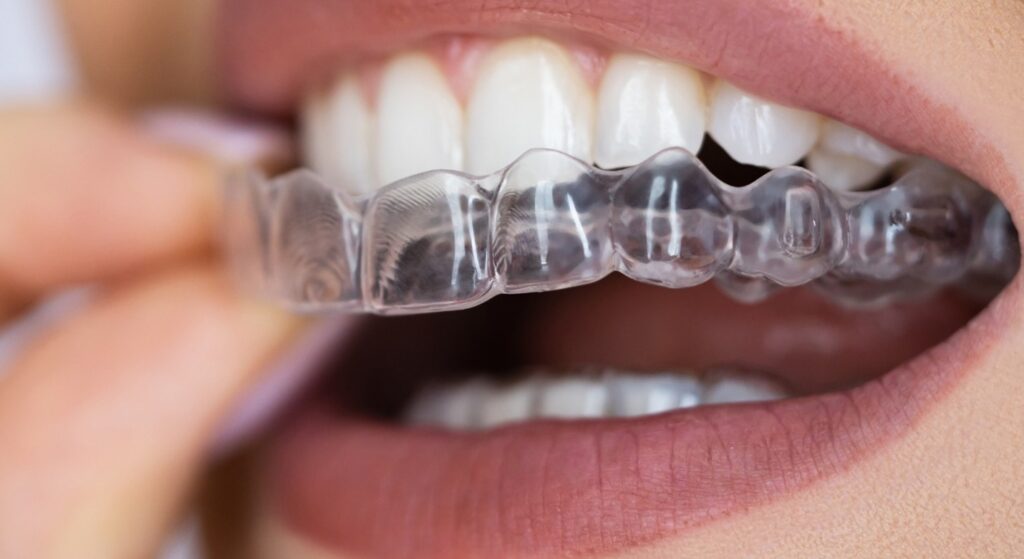
Invisalign in Prairie Village can be a good fit if you want straighter teeth but do not love the idea of brackets, wires, and a change to your daily routine. That is the simple answer. The better answer is that Invisalign works best when your teeth need steady, planned movement and you are comfortable wearing the trays most of the day. For many teens and adults, that makes it one of the easier orthodontic options to live with. The bigger question is not just whether clear aligners work. It is whether they work for your bite, your schedule, and the way you actually live. Some people are great at keeping trays in for 20 to 22 hours a day. Some people know that they would forget them at lunch or leave them in a napkin.
What Invisalign can help with
Clear aligner treatment is often used for crowding, spacing, minor bite concerns, and teeth that have shifted after earlier orthodontic care. If your front teeth overlap a little, if gaps bother you in photos, or if your retainer has been sitting untouched in a drawer for a few years, aligners may be worth discussing. A consultation usually starts with photos, digital scans, and a look at how your teeth meet when you bite down. That part is important. Straight teeth are nice, but the goal is not just a prettier smile. The goal is a bite that functions comfortably and is easier to clean. For patients comparing traditional orthodontics with clear aligners in Prairie Village, the biggest draw is flexibility. You can remove the trays to eat, brush, and floss. There are no food restrictions in the same way there are with braces. You still have to be disciplined, though. The aligners only move teeth when they are being worn.
Why Invisalign in Prairie Village is not a one-size-fits-all answer
The part people sometimes miss is that clear aligners are a tool, not magic plastic. They need a treatment plan behind them. Two people can have teeth that look similar in a selfie and still need very different orthodontic care once you look at the roots, bite, jaw position, and spacing. That is why a local exam matters. The provider can tell whether aligners can move your teeth predictably or whether another option would be more efficient. Sometimes aligners are perfect. Sometimes braces give better control. Sometimes a combination or phased plan makes more sense. There is also the lifestyle side. Aligners come out when you eat or drink anything besides water. Afterward, you need to clean your teeth before putting them back in. That does not have to be complicated, but it does require planning if you snack often, travel, play sports, or have a school schedule packed from morning to evening.
How aligners compare with braces
A lot of people start the conversation by asking which option is faster. Fair question, but speed depends on the case. Mild tooth movement can sometimes be handled efficiently with aligners. More complex movement may need more time, more attachments, or a different appliance. Braces are still a strong choice because they stay on the teeth full time. They do not depend on remembering to put trays back in. For some patients, especially younger patients or anyone with a more complicated bite, that can be a real advantage. That does not mean braces have to look the same for everyone. Some patients ask about clear braces in Prairie Village because they want the control of braces with a less noticeable look. Others like ceramic braces in Prairie Village for similar reasons. And for people who want a sturdy, familiar option, metal braces in Prairie Village are still dependable and effective.
What daily life is like during treatment
The first few days with aligners can feel strange. Your teeth may be sore. Your speech may have a slight adjustment period. Most people settle in quickly, but it is normal to notice pressure when you switch to a new tray. That pressure is part of the movement. The routine is pretty simple. Wear the trays as directed. Take them out for meals. Brush and floss before putting them back in. Keep the case with you, because wrapping aligners in a napkin is how they disappear. The patients who do best are usually the ones who build the habit early. They keep a travel toothbrush nearby. They do not stretch two hours without trays into half a day. They come to checkups and speak up if something feels off. Invisalign in Prairie Village is convenient, but it still asks for consistency.
When another clear option might come up
Some orthodontic conversations include brands or systems beyond Invisalign. For example, Clarity by 3M in Prairie Village may come up when someone is comparing discreet treatment choices. The right option depends less on the brand name and more on what your teeth need to do. This is where experience helps. A provider can explain whether your case needs small refinements, more complex tooth rotation, bite correction, or extra support to keep movement on track. They can also talk through timing. Maybe you want treatment finished before graduation photos, a wedding, or a big work event. Maybe your timeline is flexible and comfort matters more than speed. Those details shape the plan. A good consult should leave you knowing what is realistic, what the tradeoffs are, and what your part of the process looks like.
How to decide if it is worth it
Invisalign in Prairie Village is worth considering if you want a low-profile way to straighten your teeth and you can commit to wearing the trays consistently. It is especially appealing for adults who talk with clients, teens who feel self-conscious about braces, or anyone who wants easier brushing and flossing during treatment. It may not be the best fit if you know you will not wear the trays enough, if your bite needs more complex correction, or if you would rather have an option that stays in place all day without extra thought. The easiest next step is a consultation. Not because every consultation ends with aligners, but because it gives you real answers instead of guesswork. You can see what is possible, what the timeline might look like, and whether Invisalign in Prairie Village fits the way you want orthodontic care to feel.
FAQs
Do clear aligners hurt?
They can feel tight or sore for a few days, especially when you switch trays. Most people describe it as pressure, not sharp pain. If something feels wrong or keeps getting worse, it is worth checking in.
Can teens keep up with aligner treatment?
Sometimes, yes. It depends on the teen. If they can wear the trays consistently, keep track of them, and follow the plan, aligners can work well. If not, braces may be easier because they stay in place.
Do you still need a retainer afterward?
Yes. Teeth can shift after orthodontic treatment, even when the result looks great. A retainer helps protect the time, effort, and cost that went into straightening your smile.

Are you considering choosing Starting Point Pediatric Dentistry & Orthodontics for your kiddo? Let’s face it, kids aren’t always thrilled about going to the dentist. That’s why we do everything we can to make it a good experience for both of you. No scary stuff. No rushed appointments. Just kind people, calm vibes, and care that actually makes sense.
When you’re ready, give us a ring at the closest location:
Kansas City: (913) 948-8688
Overland Park: (913) 553-2492
Leawood: (913) 491-5044
Or book online! We’ll help your kid feel comfortable, and make your life a little easier.

