

Cavity treatment in The Legends is usually recommended when decay has created a true opening in a child’s tooth or weakened the enamel enough that it will not recover on its own. Parents often wonder whether a small cavity can wait, especially when it is in a baby tooth. Sometimes the answer is yes, for a short period and with close monitoring. More often, treating it early keeps the visit simpler and helps a child avoid pain, infection, and a dental emergency later.
When is cavity treatment in The Legends needed?
Very early tooth decay can sometimes be slowed or even reversed before a hole forms. At that stage, the enamel may look chalky white, and fluoride, better brushing, and changes in snacking habits can help strengthen the surface. Once decay breaks through the enamel and forms a cavity, though, the missing tooth structure does not grow back.
That is the point when a dentist usually discusses a filling or another repair. During pediatric dental care The Legends, the dentist can examine the tooth, review X-rays when appropriate, and judge how deep the decay has traveled. A tiny spot in enamel is very different from decay that is approaching the nerve. The treatment plan should reflect that difference, along with the child’s age and ability to cooperate comfortably.
Waiting can feel like the gentler choice, but cavities tend to get larger rather than stay put. A small repair may become a crown, and a tooth that could have been saved may eventually need to be removed. Early care generally gives families more options.
Does a cavity in a baby tooth really matter?
Baby teeth have important work to do. They help children chew, speak clearly, and hold space for the permanent teeth developing underneath. Some remain in place until the preteen years, so a cavity found at age five may affect that child for quite a while.
A children’s dentist in The Legends will consider when the tooth is expected to fall out naturally. If it is already loose and the decay is small, monitoring or removal may make sense. If the tooth needs to last several more years, repairing it can protect normal eating and preserve space in the mouth.
Decay can also move quickly through baby teeth because their protective enamel layer is thinner. What looks minor from the outside may be larger beneath the surface. That is why the timing of cavity treatment in The Legends depends on more than whether a tooth is permanent or temporary.
Signs that a child should be seen soon
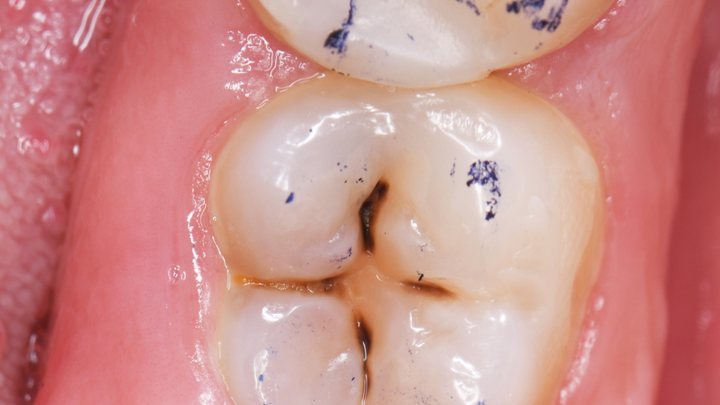
Cavities are not always painful at first. A child may have decay without mentioning any discomfort, which is one reason regular checkups matter. Parents may notice a dark spot, a small hole, food collecting around one tooth, bad breath that returns after brushing, or new sensitivity to cold and sweets.
Any ongoing tooth pain in The Legends deserves prompt attention. Pain that wakes a child at night, swelling in the face or gums, fever, or a pimple-like bump near a tooth can point to infection. Those signs should not wait for the next routine cleaning.
Children do not always describe dental pain clearly. A younger child might chew only on one side, avoid favorite foods, become unusually fussy at meals, or rub the jaw. An older child may say the pain comes and goes, but intermittent pain can still mean the nerve is irritated. A timely exam is the only reliable way to know what is happening.
What treatment may look like
For a small or moderate cavity, a filling is often enough. The decayed area is removed, and the space is restored with a durable dental material. Larger cavities in baby molars may need a crown because a filling would not leave the tooth strong enough for everyday chewing. If decay has reached the inner pulp, treatment may involve removing the irritated tissue before the tooth is restored.
The right approach to cavity treatment in The Legends should balance the condition of the tooth with the child’s comfort. Pediatric dental teams commonly use simple explanations, show children the instruments in a nonthreatening way, and take breaks when needed. Local anesthetic helps keep the tooth comfortable, while other calming options may be discussed for children who are very young, anxious, or facing more involved care.
A good kids dentist in The Legends will also tell parents what to expect afterward. Mild numbness or tenderness can be normal for a short time. Families should call if pain worsens, swelling develops, or the child cannot return to normal eating as directed.
How parents can make the next visit easier
Try to keep the explanation simple and calm. Telling a child that the dentist will check the tooth and help it feel better is usually more useful than describing drills, shots, or painful experiences from the past. Avoid promising that nothing will feel strange. Honest, age-appropriate language builds trust.
Schedule the appointment at a time when the child is normally rested, and follow the dental team’s eating instructions. Bring a list of medications and share any sensory needs, health conditions, previous dental experiences, or specific fears. Teenagers may have their own questions about numbing, sports, school, or how a restoration will look. A teen dentist in The Legends can speak directly with them while still keeping parents involved in decisions.
After treatment, prevention becomes the next priority. Brush twice daily with the recommended amount of fluoride toothpaste, help younger children reach the back teeth, and floss wherever teeth touch. Keep water available between meals and make sugary or sticky snacks occasional rather than constant. None of this requires perfection. Consistent habits, routine exams before discomfort grows can make dental care far less stressful for everyone.
FAQs
Can a small cavity be watched instead of filled?
Sometimes it can. A dentist may monitor an early area that has not developed into an actual hole, especially when good brushing and fluoride could stop it from progressing. Once the tooth structure has broken down, a repair is generally needed.
Will treating a cavity hurt my child?
The goal is to keep the tooth numb and the visit comfortable. Children may notice pressure, vibration, or unfamiliar sounds, but they should not feel sharp pain. Tell the dental team if your child is anxious or has had a difficult experience before so they can plan the visit accordingly.
How quickly should I schedule an appointment?
A cavity without symptoms should still be addressed within the timeframe recommended by the dentist. Call sooner if your child develops pain, swelling, fever, trouble eating, or difficulty sleeping. Facial swelling or rapidly worsening symptoms may require urgent care.

Are you considering choosing Starting Point Pediatric Dentistry & Orthodontics for your kiddo? Let’s face it, kids aren’t always thrilled about going to the dentist. That’s why we do everything we can to make it a good experience for both of you. No scary stuff. No rushed appointments. Just kind people, calm vibes, and care that actually makes sense.
When you’re ready, give us a ring at the closest location:
Kansas City: (913) 948-8688
Overland Park: (913) 553-2492
Leawood: (913) 491-5044
Or book online! We’ll help your kid feel comfortable, and make your life a little easier.

