
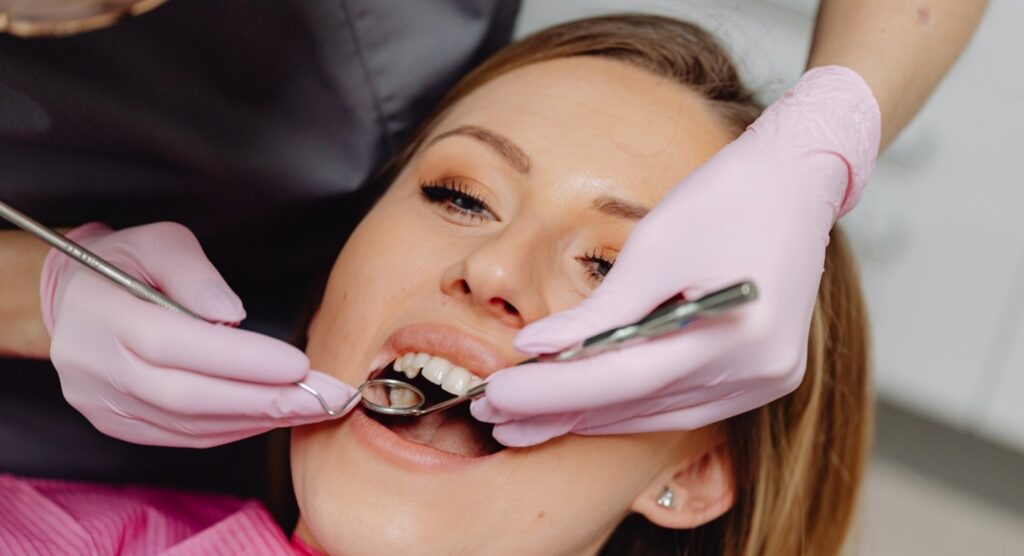
Most cavities do not start with obvious pain. A small weak spot in the enamel can sit quietly for a while before a child ever mentions discomfort. By the time sensitivity shows up, the cavity has often gotten deeper.
That is one reason routine exams matter so much.
At Starting Point Pediatric Dentistry and Orthodontics, we see a wide range of cavities every week. Some are tiny and easy to repair. Others require more involved treatment because the decay spread further into the tooth. Families looking for cavity treatment in Leawood are often surprised to learn there is not just one standard solution for every cavity.
Treatment depends on the size of the cavity, the location of the tooth, and how much healthy structure remains.
- What Happens if a Cavity Is Left Untreated?
- Are Fillings the Most Common Cavity Treatment?
- When Is a Dental Crown Needed?
- Can Small Cavities Heal on Their Own?
- Do All Cavities Cause Pain?
- Are Teen Cavities Different From Younger Kids’ Cavities?
- What Happens During Recovery After Cavity Treatment?
- Next Steps
What Happens if a Cavity Is Left Untreated?
Cavities rarely stay the same size.
Decay slowly breaks down the tooth over time. What begins as a small surface cavity can eventually spread deeper toward the nerve. Once that happens, treatment becomes more complicated.
Children dealing with ongoing tooth pain in Leawood sometimes arrive after the cavity has already progressed significantly. In those situations, a filling alone may no longer be enough.
Early treatment usually keeps things simpler for everyone involved.
Are Fillings the Most Common Cavity Treatment?
Yes, especially for smaller cavities.
A filling works by removing the damaged portion of the tooth and replacing it with a protective material. Most pediatric fillings today are tooth-colored, which helps them blend naturally with the surrounding enamel.
For many patients receiving cavity treatment in Leawood, a filling is the quickest and most straightforward option.
The process usually involves:
- Numbing the area
- Removing the decay
- Cleaning the tooth
- Placing the filling
Most children return to normal activities the same day.
When Is a Dental Crown Needed?
Sometimes a cavity damages too much of the tooth for a filling alone to hold up properly.
In those cases, we may recommend a crown. Crowns cover and protect the remaining tooth structure, helping the tooth stay strong while still functioning normally.
Parents are sometimes surprised to hear that baby teeth occasionally need crowns too. But primary teeth still play an important role in chewing, speech, and holding space for adult teeth later on.
As part of ongoing pediatric dental care Leawood families rely on, we always try to choose the treatment that protects long-term oral health rather than focusing only on the immediate problem.
Can Small Cavities Heal on Their Own?
Not usually, once a true cavity forms.
Very early enamel weakening may sometimes improve with fluoride and better hygiene habits before a hole develops. But once decay breaks through the enamel surface, the tooth generally needs treatment.
That is why routine exams matter even when children are not complaining about pain.
As a trusted kids dentist in Leawood, we often catch small cavities during checkups before families realize there is a problem.
Smaller cavities are typically easier and faster to repair.
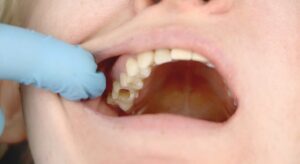
Do All Cavities Cause Pain?
No, and that surprises many parents.
Some cavities grow quietly for months without obvious symptoms. Others become sensitive fairly quickly depending on their location and depth.
Children may notice:
- Sensitivity to cold foods
- Pain while chewing
- Sharp discomfort with sweets
- Lingering toothaches
- Trouble eating on one side
But not every child mentions symptoms right away.
As a children’s dentist in Leawood, we know younger kids do not always explain discomfort clearly. Sometimes parents only notice changes in eating habits or brushing behavior first.
Are Teen Cavities Different From Younger Kids’ Cavities?
The causes are often similar, but habits tend to change with age.
Teenagers may deal with cavities related to sports drinks, snacking, inconsistent brushing, or busy schedules. Orthodontic appliances can also create extra areas where plaque builds up.
As a teen dentist in Leawood, we spend time talking with older patients about practical home care habits instead of simply repeating generic brushing advice.
Teen years are often when dental routines either improve or become inconsistent.
What Happens During Recovery After Cavity Treatment?
Recovery is usually simple for smaller fillings.
The numb feeling may last a few hours afterward, but most children return to school, sports, or regular activities fairly quickly.
We typically recommend:
- Waiting until numbness wears off before eating chewy foods
- Drinking water after treatment
- Brushing gently around the area
- Avoiding sticky candy temporarily
Larger treatments may involve a little more sensitivity afterward, but most children recover faster than parents expect.
Families receiving cavity treatment in Leawood often say the anticipation was worse than the appointment itself.
Next Steps
There are several different ways to treat cavities depending on how much decay is present. Smaller cavities may only require fillings, while deeper decay sometimes needs crowns or pulp therapy to protect the tooth properly.
At Starting Point Pediatric Dentistry and Orthodontics, we strive to be the preferred kids’ dentist in Kansas City, with convenient locations and thoughtful, knowledgeable staff. We’ve got the experience and care your kids need to have a quality exam. Have questions or concerns? Let us know and we’ll get you the answers you need!
Ready to get started? Reach out to us online at Starting Point Pediatric Dentistry & Orthodontics for your kiddo! Or when you’re ready, give us a ring at the closest location:
Kansas City: (913) 948-8688
Overland Park: (913) 553-2492
Leawood: (913) 491-5044
Let’s face it, kids aren’t always thrilled about going to the dentist. That’s why we do everything we can to make it a good experience for both of you. No scary stuff. No rushed appointments. Just kind people, calm vibes, and care that actually makes sense.

We’ll help your kid feel comfortable and make your life a little easier.

